
Most double glazing uses toughened glass, which is strong but breaks into small pieces once it fails. Laminated glass works differently, and for security that difference matters.
How laminated glass works
Two panes are bonded together with a tough interlayer. When it's struck, the glass cracks but the interlayer holds it together in the frame. An intruder can't simply smash it and climb through.
What the standards say
Laminated security glass is tested to BS EN 356. For Secured by Design developments, laminated glass must be rated P2A. Glazing in and beside doors needs at least one laminated pane of at least 6.4mm, and higher-risk areas can require 6.8mm. Low-level glazing below 800mm also needs laminated glass.
Where it's worth it
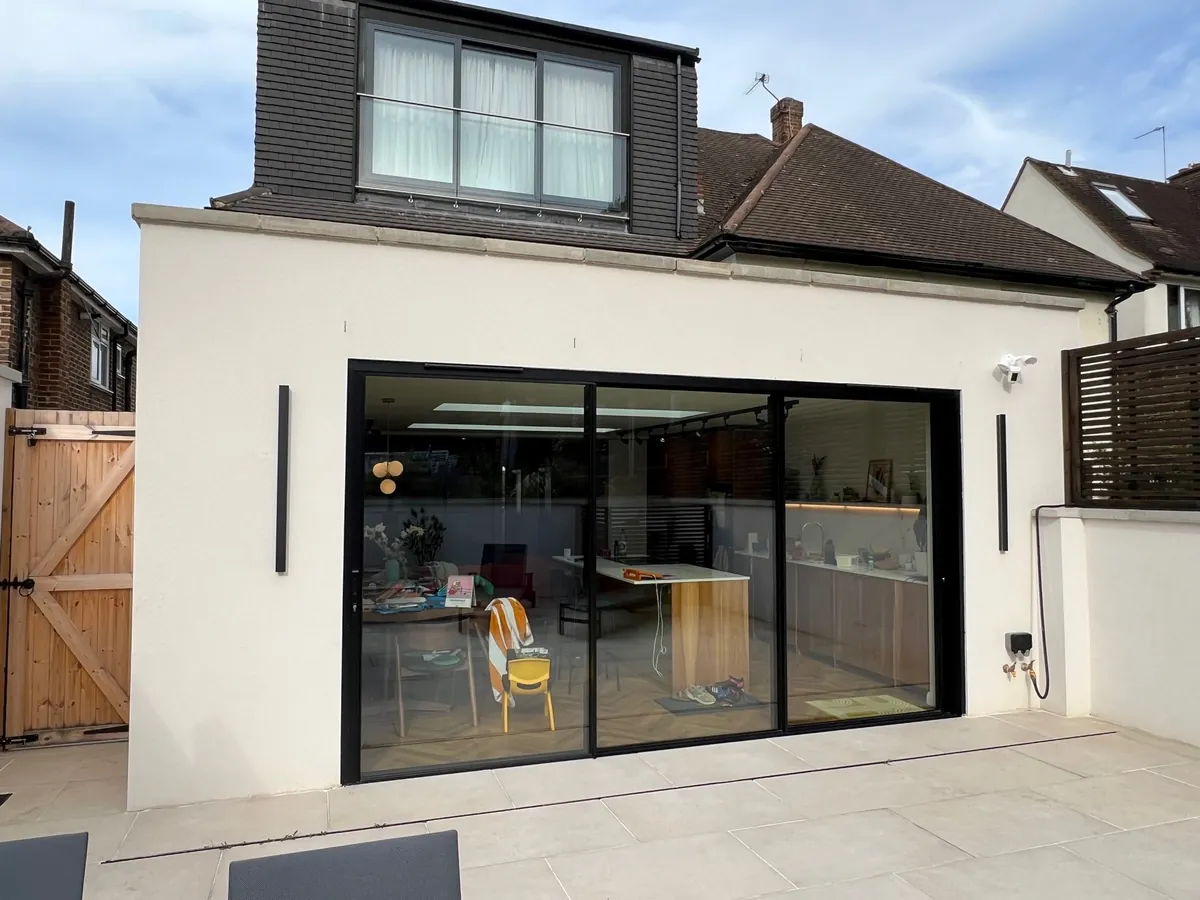
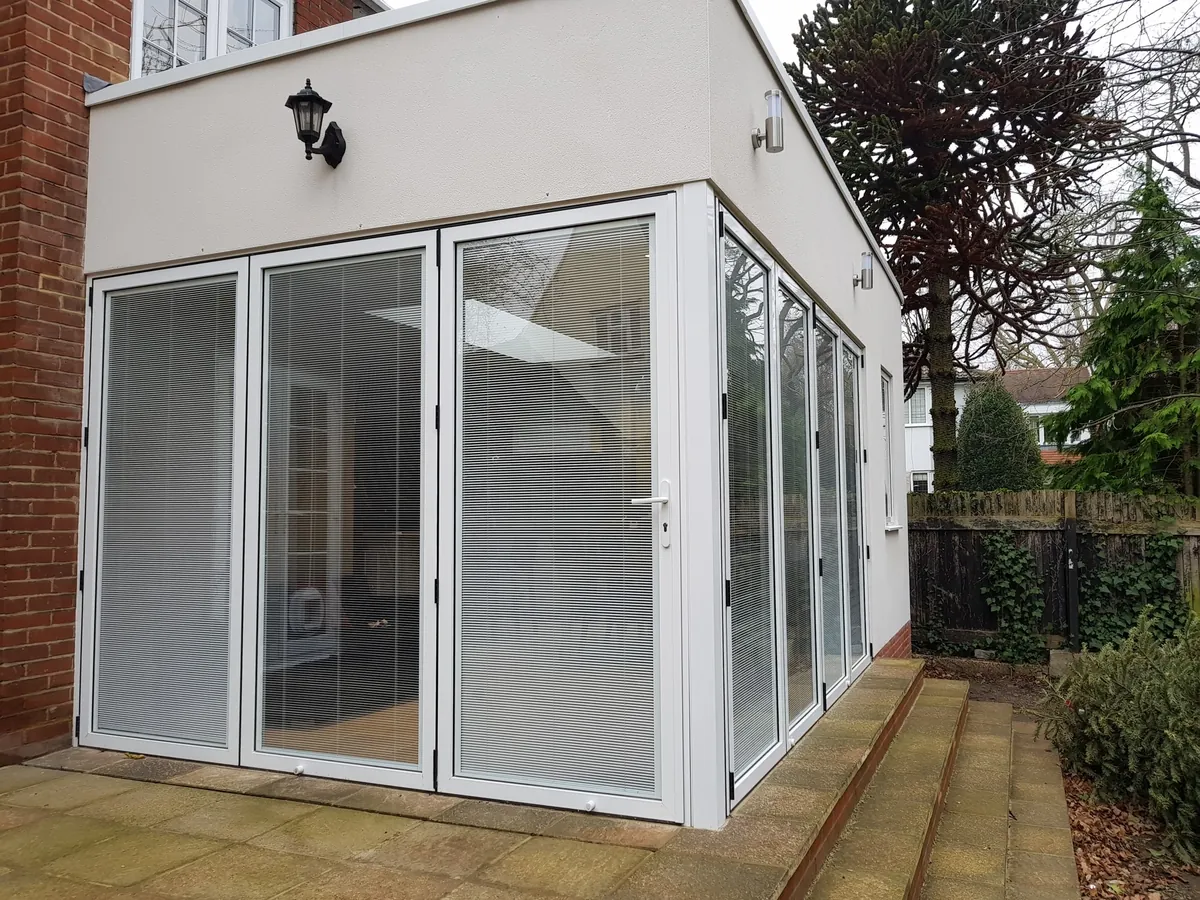
- Ground-floor doors, especially large sliding and bifold doors.
- Glass beside front doors, where a burglar might break in and reach the lock.
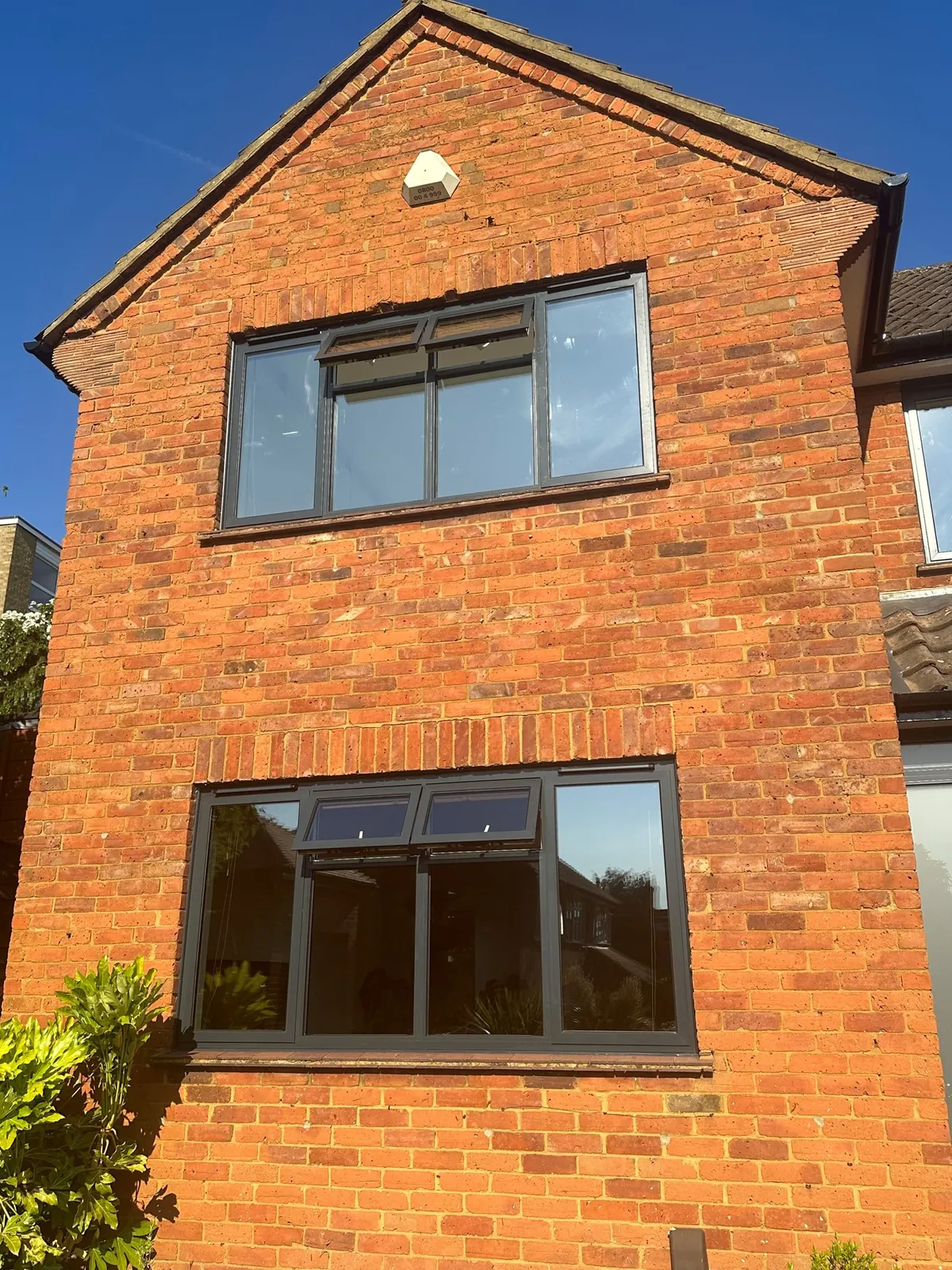
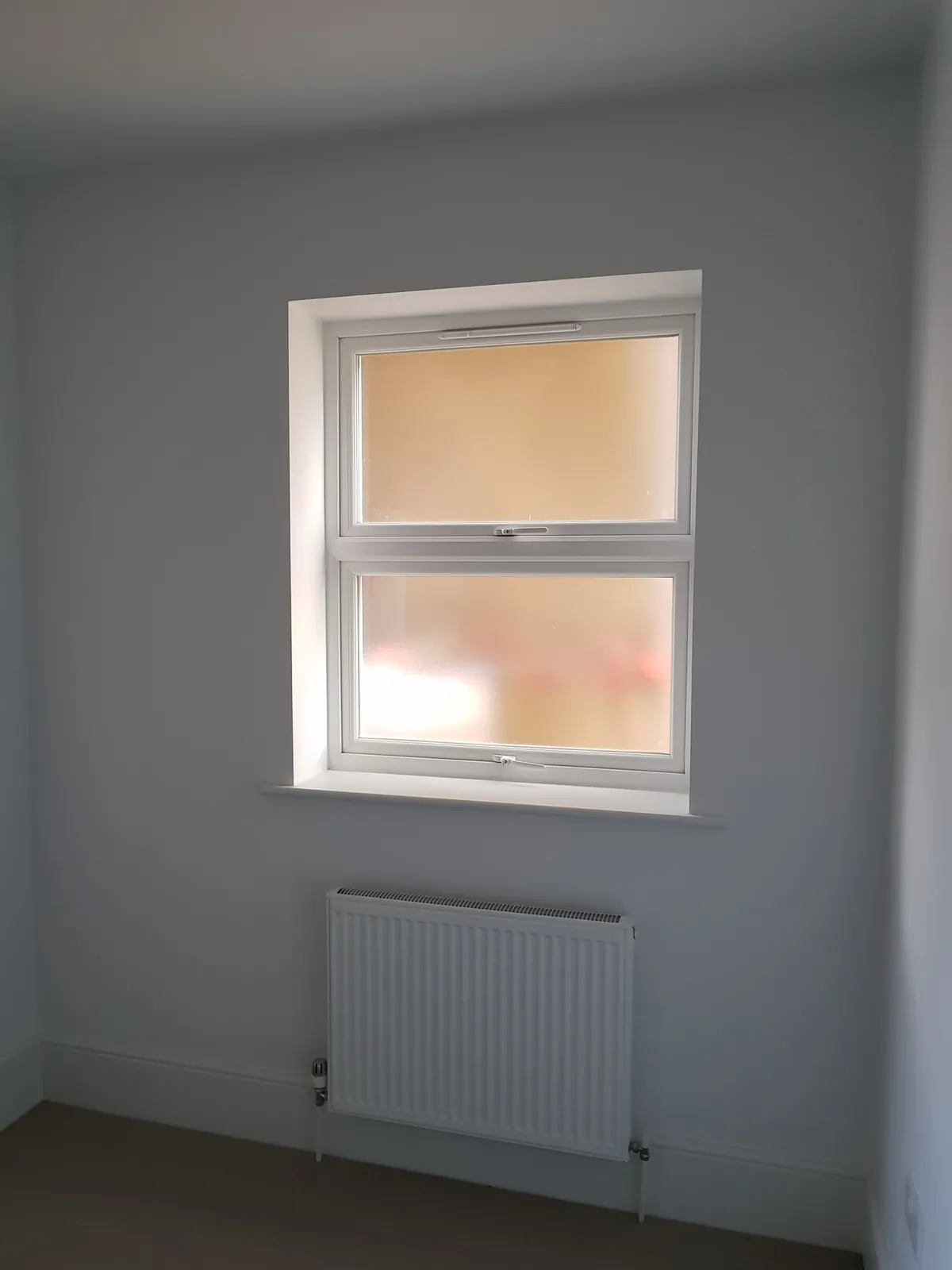
- Easily reached windows, such as those near flat roofs.
- Homes with children, as it also acts as safety glass.
Is it worth the cost?
Usually, yes, on ground-floor doors and accessible windows. The extra cost over toughened glass is modest compared with the whole installation, and it can be combined with acoustic and solar control glass in the same unit.